AP Spanish conversation practice: how to prepare for the speaking tasks out loud
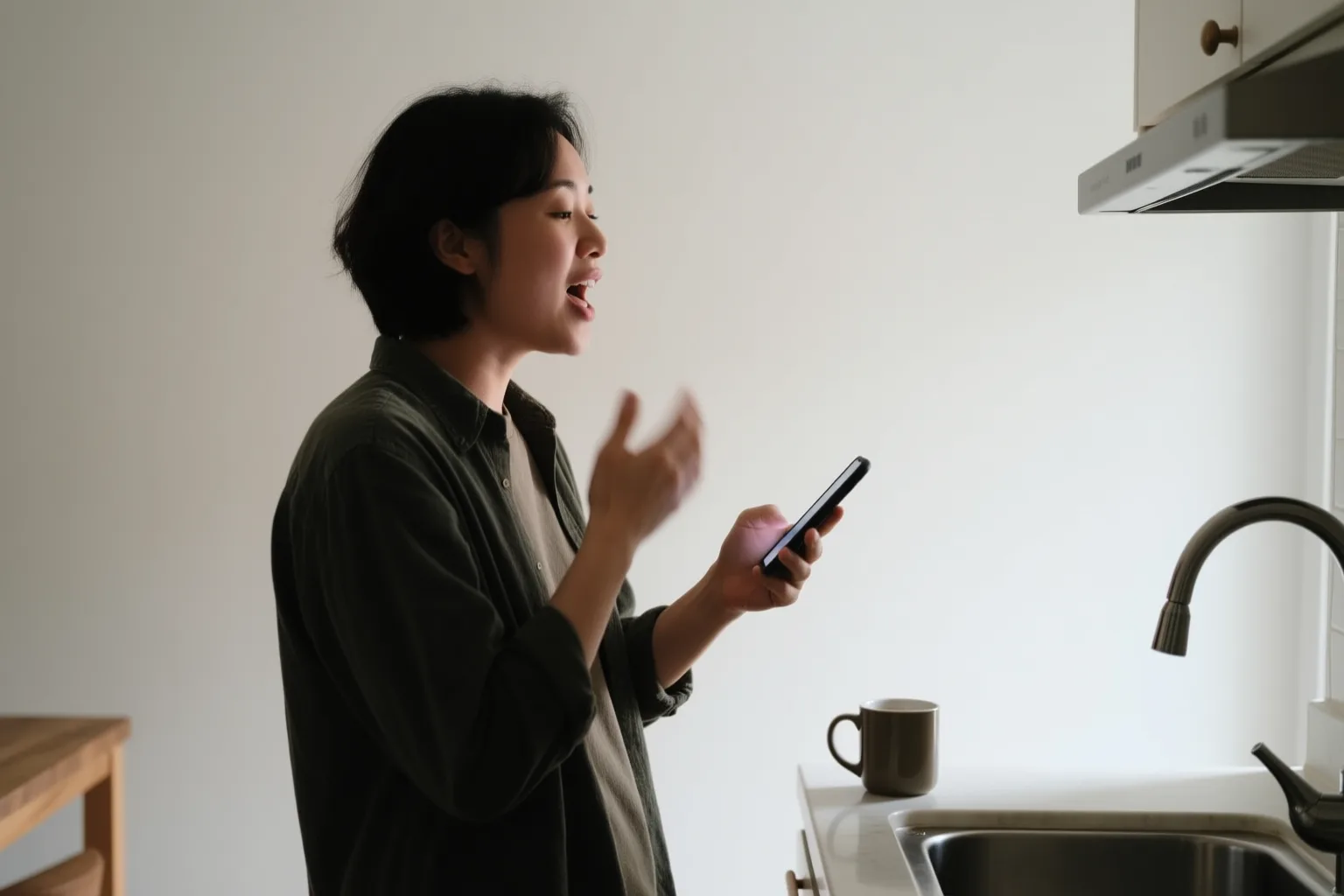
The AP Spanish Language and Culture exam scores you on speaking in real time: a simulated conversation with five short timed replies, and a two-minute cultural comparison. Neither can be studied into existence. They are trained the way any conversation is trained: out loud, daily, with the clock running and someone answering. Here is how to practice AP Spanish conversation so the exam feels like one more chat rather than the first one.
Quick link: For broader Spanish conversation practice techniques, see our general guide on Spanish conversation practice.
What the speaking tasks actually ask of you
The simulated conversation gives you an outline of the exchange, then plays each turn of the other speaker; after each one you have twenty seconds to answer. Nobody waits for you to find the word. The cultural comparison gives you four minutes to prepare and two to speak, alone, on a topic you meet on the spot.
So the skill under examination is not vocabulary size. It is starting to speak immediately, keeping going when a word is missing, and doing it in Spanish that a native listener follows. Those three things improve only by speaking.
A daily routine that fits the exam
- Twenty-second answers, every day. Take any everyday question (¿qué planes tienes para el fin de semana?), set a timer for twenty seconds, and answer out loud without stopping. Do five in a row. This is the exact muscle the simulated conversation tests.
- Two-minute monologues on a theme. Pick one of the course themes (family, science, identity, public life), give yourself four minutes to jot three ideas, then speak for two minutes straight. Compare something from a Spanish-speaking community with your own; that is what the cultural comparison rewards.
- Shadow native speech. Play a podcast, pause after each sentence, repeat it at the same speed. Your pronunciation and rhythm come from here, not from a textbook.
- Talk to someone who answers. A tutor, a classmate, a native speaker, or a voice conversation partner that replies in real time. Only a reply tells you whether you were understood, and only unplanned turns train you to react.
What matters most on exam day
- Keep talking. Silence scores nothing; an imperfect sentence scores. If a word is missing, describe around it in Spanish.
- Answer the actual question. Scorers look for responses that fit the prompt, not rehearsed paragraphs dropped in regardless.
- Use connectors and a little range. Sin embargo, por eso, aunque: they signal control without requiring perfect grammar.
- Speak Spanish only. Switching to English for a word costs more than saying it badly in Spanish.
Practicing with a Langel
Langels is a voice conversation partner: you pick a Language Angel and talk out loud, in real time, no camera and no classroom. For Spanish that is Lucía, from Madrid. What matters for AP practice is that she answers immediately and unscripted, so every turn is a twenty-second answer you did not prepare, and that her dial goes from Talk to me to Teach me: a chat for fluency, or a lesson with materials on screen when you want to work on a theme. She remembers what you talked about, so you can build on it the next day, and five minutes is enough for a session. Langels opens by invitation; if you don't know anyone inside, you can request a seat from Lucía's page.
Frequently asked questions
How long should AP Spanish speaking practice be each day?
Five to ten minutes of spoken practice every day beats a long session once a week. The exam rewards the reflex of starting to speak without hesitation, and that reflex fades after a few silent days.
Can I practice the AP Spanish simulated conversation alone?
Partly. Timed twenty-second answers to everyday questions train the pace, and two-minute monologues train the cultural comparison. What you cannot get alone is an unplanned reply, which is what the real task gives you five times in a row. Add a partner who answers as soon as you can.
Is it better to memorise answers for the AP Spanish speaking section?
No. Memorised paragraphs rarely fit the actual prompt and scorers notice. Train the ability to answer any question for twenty seconds instead; that transfers to whatever the exam asks.
What if I make grammar mistakes while speaking?
Keep going. A response with a few mistakes that answers the question scores far better than a silence. Mistakes you make out loud and hear corrected in practice are the fastest way to stop making them.

Related guides
- How Langels works for Spanish: voice practice that fits your dayLangels gives you a Spanish voice partner who replies in real time, corrects inside the conversation, and remembers what you said last time. Five minutes…
- How to Ask for the Bill in SpanishSay 'La cuenta, por favor' or '¿Me trae la cuenta, por favor?' to ask for the bill in Spanish; both are polite and understood everywhere.
- How to Ask to Go to the Bathroom in SpanishLearn the natural phrases to ask permission to use the bathroom in Spanish — from casual '¿Puedo ir al baño?' to formal '¿Me permite ir al baño?' —…