Spanish conversation practice: how to actually speak, not just study
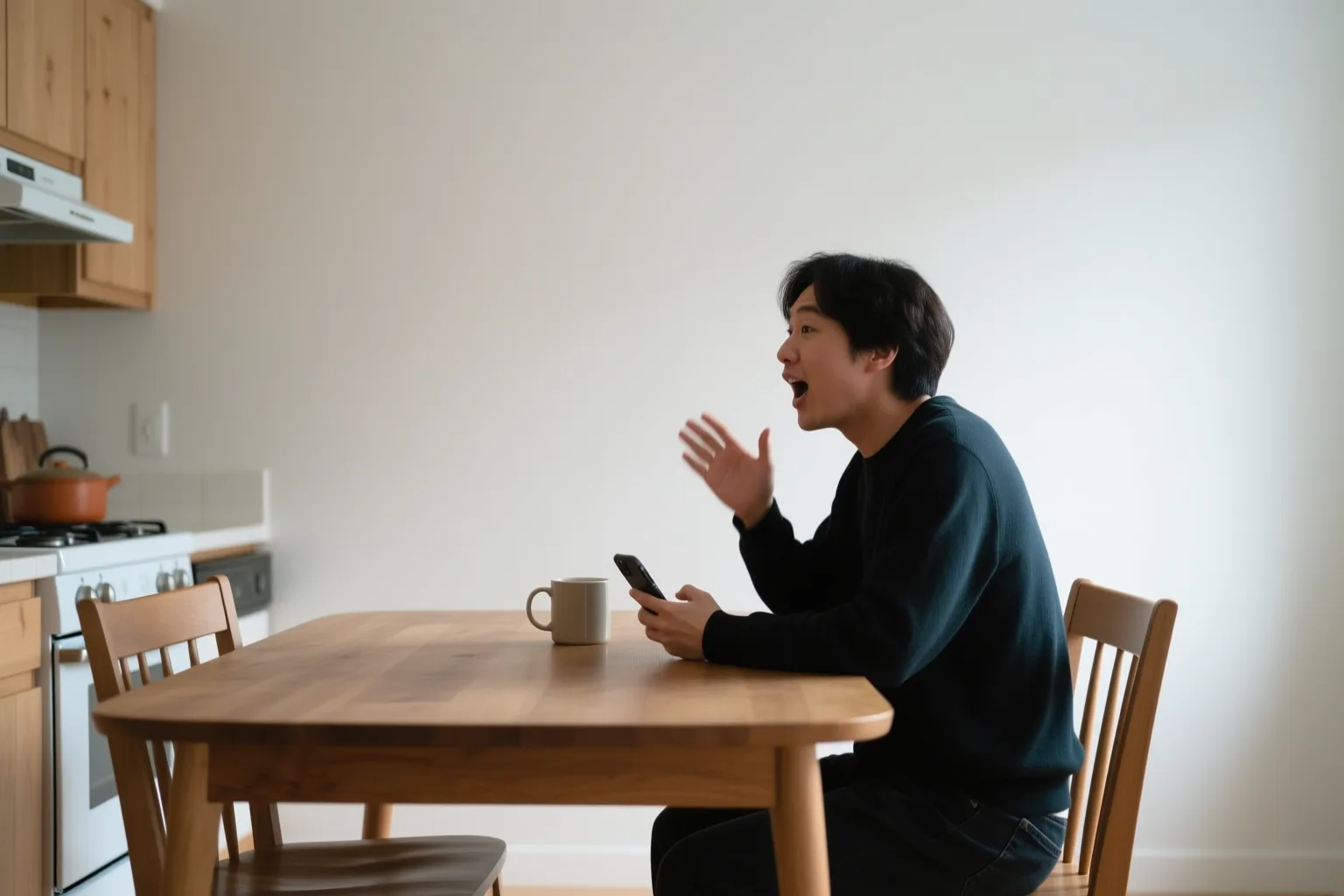
You learn to speak Spanish by speaking Spanish, out loud, with someone who answers back. Not by finishing another unit. The fastest way to practice Spanish conversation is short and frequent: five minutes a day, talking about your own life, with your mistakes corrected inside the reply instead of on a red-ink list. Below is how to do that alone, and what to do about the hardest part, which is finding someone to talk to.
Quick link: If you’re preparing for the AP Spanish speaking exam, see our dedicated guide on AP Spanish conversation practice.
Why conversation practice beats one more lesson
Most people who "study Spanish" can read a menu and can't order from it. That is not a vocabulary problem. Reading, listening and grammar exercises train recognition; conversation trains production, which is a different skill with a different muscle. You can know the word mudanza perfectly and still freeze when someone asks about your move.
Production only improves under three conditions:
- You speak out loud. Thinking the sentence is not the same as saying it. The mouth has to learn the shapes.
- Someone reacts. A reply tells you whether you were understood. Silence tells you nothing.
- It happens often. Ten minutes on Tuesday and ten on Sunday beats a two-hour class once a fortnight, because the fear of speaking resets every time you stop.
How to practice speaking Spanish alone
If you have no Spanish speakers around, you still have options. They work in this order:
- Narrate your day. Say what you are doing as you do it: voy a hacer café, no encuentro las llaves. It feels silly for two days, then it stops feeling like anything. This builds the reflex of reaching for Spanish first.
- Shadow real speech. Play a podcast or a series clip, pause after each sentence, and repeat it at the same speed and rhythm. This trains pronunciation and the music of the language, which is where most textbook learners sound foreign.
- Answer questions out loud. Take any question you might be asked (¿qué hiciste el fin de semana?) and answer it for a full minute without stopping. When you run out of words, say it worse rather than switching to English.
- Talk to someone who answers. This is the step nobody can skip. A tutor, an exchange partner, or a voice conversation partner that replies in real time. The previous three steps prepare you for this one.
What to look for in a conversation partner
Whoever or whatever you talk to, the same things matter:
- Voice, not typing. Typing Spanish is a different skill. If the goal is to speak, the practice has to be spoken.
- Correction that doesn't stop the conversation. The useful correction is the one folded into the reply: you say "me gusta las playas", she answers "a mí también me gustan las playas del norte", and you hear the right form without being interrupted.
- Something to talk about that is yours. Scripted role-plays (at the airport, at the doctor) run out fast. Talking about your actual week does not.
- No scheduling. The practice you do is the practice you can start in the thirty seconds you happen to have.
Speaking Spanish with a Langel
Langels is a voice conversation partner: you pick a Language Angel and talk to her out loud, in real time, no camera and no classroom. For Spanish that is Lucía, from Madrid. The part that matters for practice is the dial every Langel has, from Talk to me to Teach me: some days you want a coffee-table chat with mistakes quietly corrected in her reply, some days you want a proper lesson with materials on screen, and you can turn it mid-conversation. She remembers what you talked about last time, so you never start from zero, and five minutes is enough for a session. Langels opens by invitation; if nobody you know is inside, you can request a seat from her page.
Frequently asked questions
How long should Spanish conversation practice be?
Five to ten minutes a day is better than an hour a week. The skill you are training is starting to speak without fear, and that resets when you go days without doing it. Short and daily keeps it warm.
Can I practice Spanish conversation alone?
Yes, up to a point. Narrating your day, shadowing audio and answering questions out loud all train production without a partner. What they can't give you is a reply, and the reply is what tells you whether you were understood. Add a partner, human or AI, as soon as you can.
Should I worry about making mistakes when I speak Spanish?
No. A mistake you make out loud and hear corrected is the fastest thing you will ever learn. The mistake to avoid is not speaking. If your partner corrects you inside her reply instead of stopping you, you get the correction and keep the flow.
Is it better to practice with a native speaker?
A native speaker gives you natural rhythm and the words people actually use. What matters more than nationality is that they answer in real time, let you talk about your own life, and correct without lecturing.

Related guides
- AP Spanish conversation practice: how to prepare for the speaking tasks out loudAP Spanish conversation practice is timed, spoken and unscripted. How to train the simulated conversation daily, alone or with a partner who answers.
- How Langels works for Spanish: voice practice that fits your dayLangels gives you a Spanish voice partner who replies in real time, corrects inside the conversation, and remembers what you said last time. Five minutes…
- How to Ask for the Bill in SpanishSay 'La cuenta, por favor' or '¿Me trae la cuenta, por favor?' to ask for the bill in Spanish; both are polite and understood everywhere.