French conversation practice: how to speak French out loud without a class
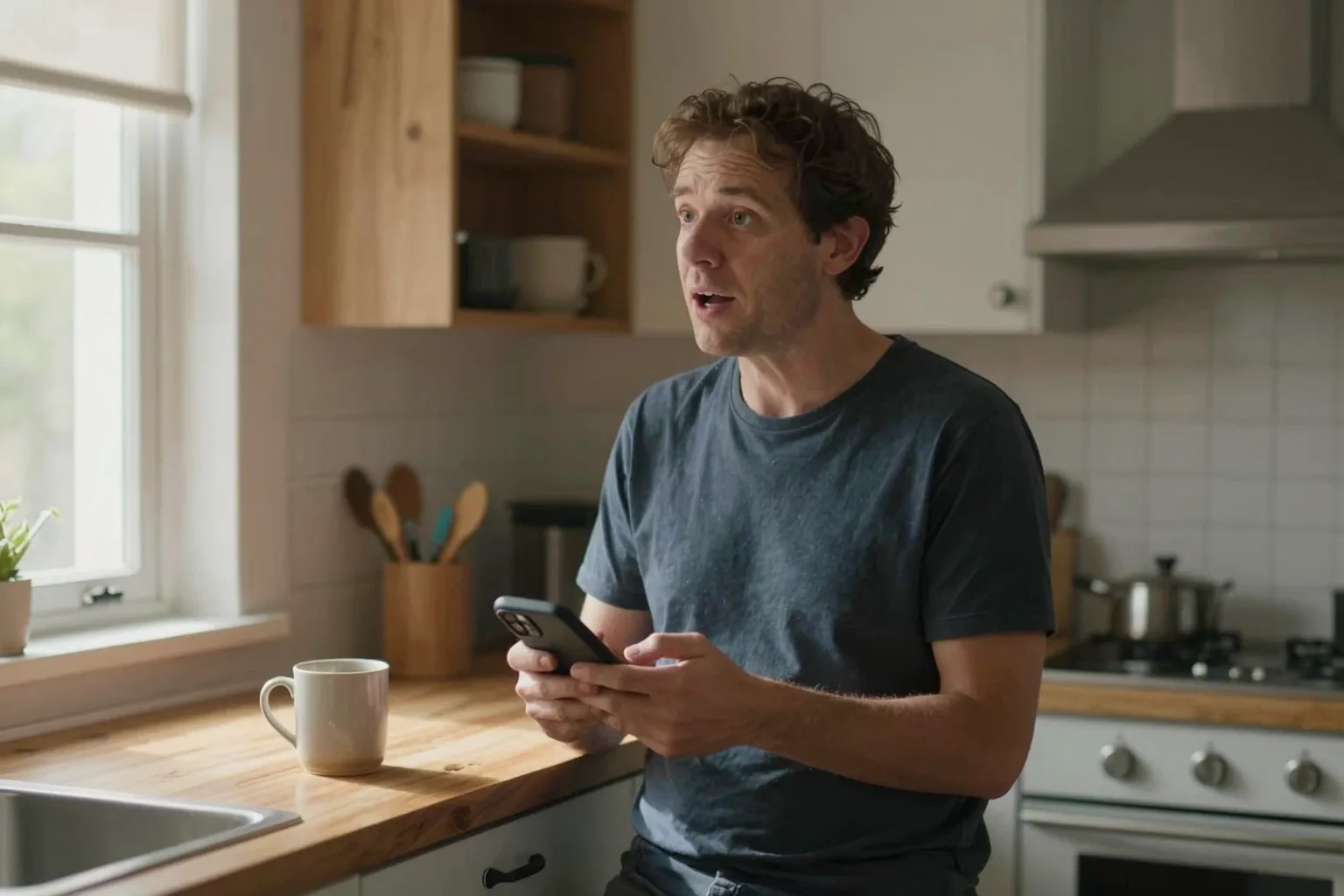
You learn to speak French by speaking French, out loud, to someone who answers, a few minutes at a time. Years of French at school usually leave people able to read a menu and unable to order from it, and that is not a grammar gap: it is a speaking gap, and it closes only by speaking. Here is how to practice French conversation on your own, and what to do about the part you cannot do alone.
Why French feels harder to speak than to read
French is generous to readers and unkind to speakers. Half the letters are silent, liaisons glue words together, and the rhythm is flat where English rises and falls. So learners who read French well still freeze when they open their mouth, because the sounds they know from the page do not match the ones they hear. That is fixed by the ear and the mouth working together, not by more reading.
Speaking improves under three conditions:
- Out loud. Thinking a French sentence trains nothing your mouth can use.
- With a reply. A reply tells you whether the sentence landed. Silence tells you nothing.
- Often. Short daily sessions beat a long weekly one, because the fear of speaking resets every time you stop.
How to practice speaking French alone
In this order, each step making the next one easier:
- Narrate your day in French. Je fais du café. Je ne trouve pas mes clés. It feels silly for two days and then it becomes the reflex of reaching for French first.
- Shadow real French. Take a podcast or a series clip, pause after each sentence and repeat it at the same speed, with the same liaisons. This is the single most effective thing you can do for a French accent, and no app replaces it.
- Answer questions for one minute. Qu'est-ce que tu as fait ce week-end ? Answer out loud without stopping. When a word is missing, talk around it in French rather than dropping into English.
- Talk to someone who answers. A tutor, an exchange partner, or a voice partner that replies in real time. The three steps above are the warm-up; this is the match.
What to look for in a French conversation partner
- Voice, not text. Written French is a different skill, and it is not the one you are missing.
- Correction that keeps the flow. You say "je suis allé au cinéma hier avec ma amie", the reply comes back with "ah, et ton amie a aimé le film ?", and you hear mon amie without being stopped.
- Your life as the topic. Scripted scenes at the bakery run out quickly. Your actual week does not.
- Nothing to schedule. Five free minutes are worth something only if you can use them right away.
Practicing French with a Langel
Langels is a voice conversation partner: you choose a Language Angel and talk to her out loud, in real time, no camera and no classroom. For French that is Camille, elegant, opinionated, and happy to debate dinner. Every Langel has a dial from Talk to me to Teach me: a relaxed chat with your mistakes corrected inside her reply, or a proper lesson with materials on screen, and you can turn it mid-conversation. She remembers what you talked about last time, so you never start over, and five minutes is enough. Langels opens by invitation; if you don't know anyone inside, you can request a seat from Camille's page.
Frequently asked questions
How can I practice French conversation by myself?
Narrate your day in French, shadow real audio sentence by sentence, and answer everyday questions out loud for a full minute. Those build fluency without a partner. Then find someone who replies, human or AI, because only a reply tells you whether you were understood.
How do I improve my French accent?
Shadowing: repeat real French speech sentence by sentence at the same speed, copying the liaisons and the flat rhythm. Ten minutes a day changes more than a year of reading aloud from a textbook.
How often should I practice speaking French?
Every day, briefly. Five to ten minutes daily keeps the reflex warm; one long session a week lets the nerves come back in between.
Is it embarrassing to make mistakes in French?
Only if nobody corrects them. A mistake you make out loud and hear corrected inside the reply is the fastest lesson there is. The mistake that costs you is staying quiet.

Related guides
- Good morning in French: how to say bonjour and sound like you mean itSay bonjour like a French speaker: the nasal vowel, the silent n, the liaison. Practice out loud with a voice partner that corrects you inside the reply.
- How to Say Thank You in French: Essential Phrases and PronunciationMerci is the basics, but French has merci beaucoup, merci bien, c'est gentil, and more. Learn each with IPA and audio-ready examples.
- What is an AI English tutor and how a Langel differs (voice, dialect, memory)An AI English tutor chats in text; a Langel speaks with you in real time, picks a dialect, remembers your last conversation, and corrects inside her reply.