How to ask what time it is in Spanish – speaking practice guide for English speakers
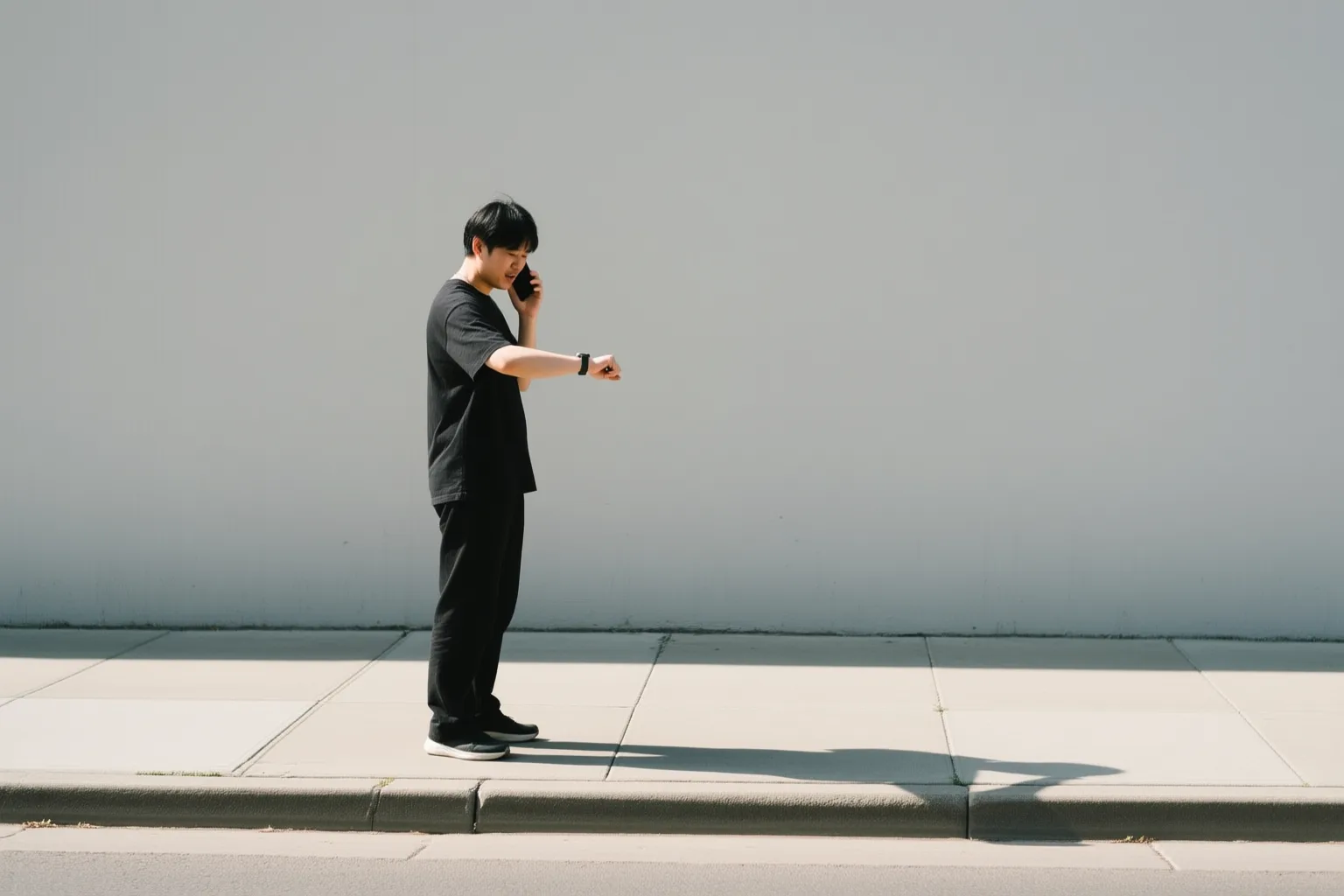
To ask what time it is in Spanish you say «¿Qué hora es?» and you can add politeness with «Disculpe» or «Perdón»; you practice by saying it out loud, getting immediate correction inside a Langel’s reply, and repeating it in short daily sessions.
How to ask the time in Spanish
The basic question is «¿Qué hora es?» (literally “What hour is it?”). You can also hear «¿Qué hora tienes?» in some regions, though it is less common. When you want to be more polite, prepend a softener: «Disculpe, ¿qué hora es?» or «Perdón, ¿qué hora es?». If you are speaking to someone you know well, you can drop the formal «Disculpe» and just say «¿Qué hora es?» with a friendly tone.
Answering the question follows a simple pattern. For one o’clock you say «Es la una». For all other hours you use «Son las» plus the number: «Son las dos», «Son las tres», and so on. Minutes are added with «y» (and) for past the hour and «menos» (minus) for to the hour: «Son las cinco y veinte» (5:20), «Son las seis menos cuarto» (5:45). When you need to specify morning or afternoon you can add «de la mañana», «de la tarde», or «de la noche», but in many contexts the time of day is clear from the situation.
Common polite forms
If you want to make the request extra courteous, you can use longer phrases:
- «Disculpe, ¿me podría decir la hora, por favor?»
- «Perdón, ¿sabe qué hora es?»
- «¿Podría indicarme la hora, por favor?»
These versions work well in shops, offices, or when you stop a passer‑by. Practice saying them out loud until the rhythm feels natural; the goal is to be understood, not to recite a textbook line perfectly.
Practice routine
- Warm‑up (30 seconds) – Say «¿Qué hora es?» three times, varying your tone from casual to polite.
- Mini‑dialogue (2 minutes) – Imagine you are on the street. Say «Disculpe, ¿qué hora es?» and then answer yourself with a random time, e.g., «Son las cuatro y diez». Switch roles and repeat.
- Shadowing (1 minute) – Play a short audio clip of a native speaker asking the time (many are available free online). Pause after each sentence and repeat it immediately, matching speed and intonation.
- Free talk (1 minute 30 seconds) – Talk about your schedule: «A las ocho y media tengo una reunión». Use the time‑asking phrase at least twice.
- Wrap‑up (30 seconds) – Finish by asking «¿Qué hora es?» one more time and notice how it feels easier than at the start.
Do this routine once a day; five focused minutes beat a long, unfocused session once a week.
With a Langel
Langels is a voice conversation partner: you choose a Language Angel and talk to her out loud, in real time, no camera and no classroom. For Spanish that could be Lucía, from Madrid. Each Langel has a dial that goes from Talk to me to Teach me; you can turn it mid‑conversation depending on whether you want a casual chat with quiet correction or a more focused practice session. She remembers what you talked about last time, so you never start from zero, and five minutes is enough for a useful session. Errors are corrected inside her reply instead of breaking the flow, and you can ask her to repeat, speak more slowly, or explain in your language. Access is by invitation or by requesting a spot from her page.
Frequently asked questions
How often should I practice asking the time in Spanish?
Aim for five to ten minutes every day. The muscle memory for producing the phrase improves with frequent, short repetitions; a single long practice session once a week does not build the same automaticity.
Do I need to learn all the time‑telling formulas before I can practice?
No. Start with the core question «¿Qué hora es?» and the simple answer «Es la una» / «Son las [number]». Add minutes and polite forms gradually as you feel comfortable. Practicing what you already know builds confidence, which makes it easier to learn new variations later.
What if I make a mistake when I say the time?
Mistakes are part of learning. When you speak to a Langel, any error is corrected naturally inside her reply, so you hear the correct form without losing the conversation flow. Treat each correction as useful feedback, not as a failure.
Can I practice asking the time without a partner?
You can rehearse the phrase out loud on your own, which helps with pronunciation. However, only a partner—human or Langel—can tell you whether you were understood and give you the immediate, embedded correction that makes the practice stick.

Related guides
- AP Spanish conversation practice: how to prepare for the speaking tasks out loudAP Spanish conversation practice is timed, spoken and unscripted. How to train the simulated conversation daily, alone or with a partner who answers.
- How Langels works for Spanish: voice practice that fits your dayLangels gives you a Spanish voice partner who replies in real time, corrects inside the conversation, and remembers what you said last time. Five minutes…
- How to Ask for the Bill in SpanishSay 'La cuenta, por favor' or '¿Me trae la cuenta, por favor?' to ask for the bill in Spanish; both are polite and understood everywhere.