How to ask 'What is this?' in Spanish
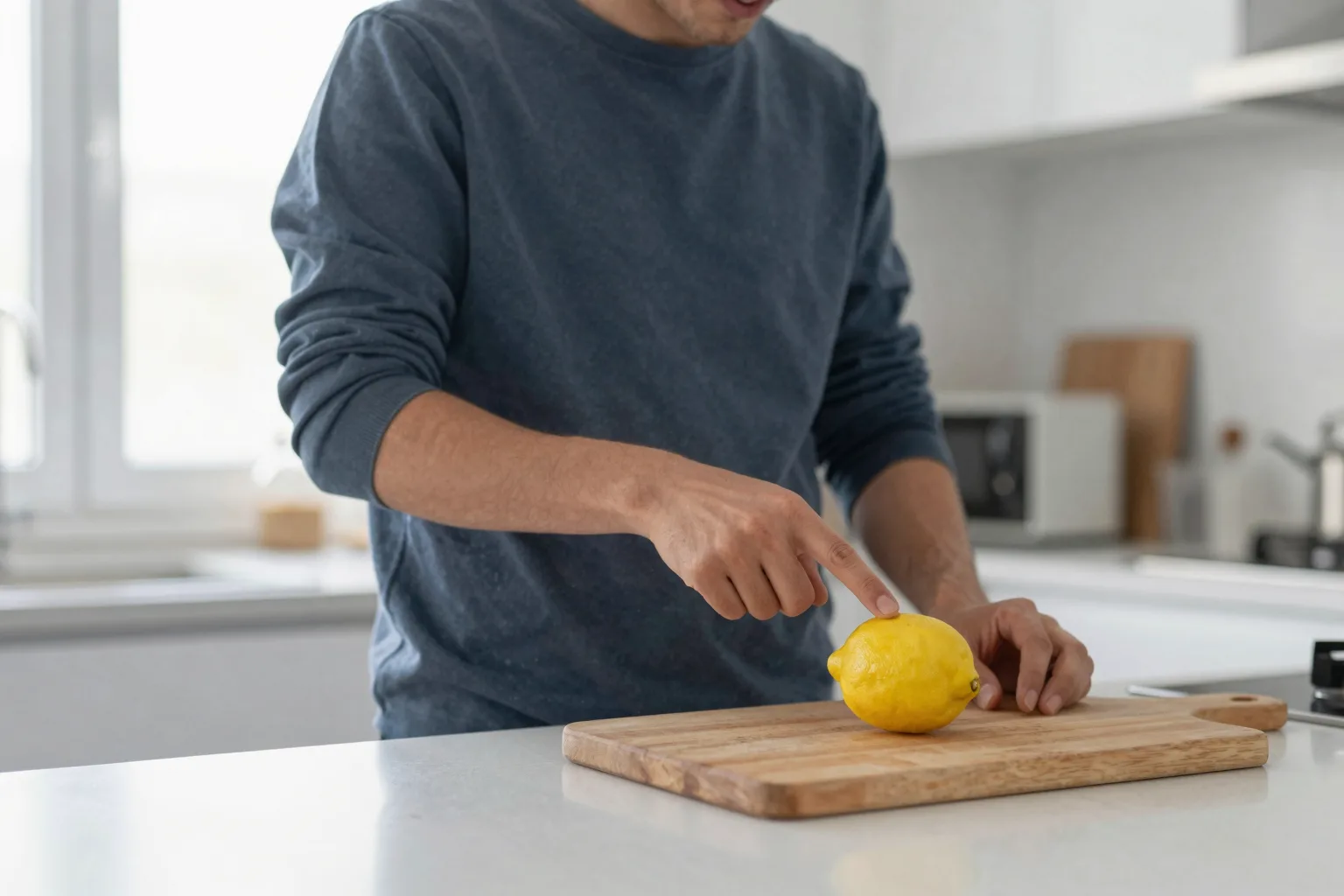
To ask 'What is this?' in Spanish, say '¿Qué es esto?' for something close or '¿Qué es eso?' for something farther away, using rising intonation and pointing if needed. This phrase works in everyday situations when you want to identify an object or learn its name.
When to use each phrase
Use '¿Qué es esto?' when the object is near you or within arm's reach. Use '¿Qué es eso?' when the object is a bit farther away, perhaps across the room or outside. Both phrases follow the same pattern: ¿Qué + es + demonstrative pronoun (esto/eso). The intonation rises at the end to signal a question.
Pronunciation tips
Say 'keh es ehs-toh?' for 'esto' and 'keh es eh-soh?' for 'eso'. The '¿' and '?' marks indicate that the pitch should go up at the end. Practice by mimicking a native speaker or asking your Langel to repeat slowly.
Practice ideas
Point at everyday items around you and ask '¿Qué es esto?' or '¿Qué es eso?'. Try to vary the distance to switch between the two forms. Record yourself and compare the rhythm to a native speaker’s recording.
With a Langel
Langels es un compañero de conversación por voz: eliges una Language Angel y hablas con ella en voz alta, en tiempo real, sin cámara ni aula. Cada Langel tiene un dial de «Talk to me» a «Teach me» que se puede girar a mitad de conversación; se acuerda de lo que hablasteis la última vez; con cinco minutos basta; los errores vuelven corregidos dentro de su respuesta; se le puede pedir que repita o explique en tu idioma; y se entra por invitación o pidiendo plaza.
You: ¿Qué es esto? (pointing at a cup) Langel: Eso es una taza. ¿Quieres saber más sobre ella? You: ¿Cómo se dice "cup" en español? Langel: Se dice "taza". ¿Quieres practicar otra frase?
Frequently asked questions
¿Puedo usar "¿Qué es eso?" para algo que está en mi mano?
No, para algo que está en tu mano o muy cerca es más natural decir "¿Qué es esto?". "Eso" implica cierta distancia.
¿Necesito siempre señalar con el dedo al preguntar?
No es obligatorio, pero señalar ayuda a aclarar a qué te refieres, especialmente en entornos ruidosos o con varios objetos cercanos.
¿Hay alguna diferencia de formalidad entre las dos formas?
Ambas tienen el mismo nivel de formalidad; la elección depende solo de la distancia física del objeto al que te refieres.

Related guides
- AP Spanish conversation practice: how to prepare for the speaking tasks out loudAP Spanish conversation practice is timed, spoken and unscripted. How to train the simulated conversation daily, alone or with a partner who answers.
- How Langels works for Spanish: voice practice that fits your dayLangels gives you a Spanish voice partner who replies in real time, corrects inside the conversation, and remembers what you said last time. Five minutes…
- How to Ask for the Bill in SpanishSay 'La cuenta, por favor' or '¿Me trae la cuenta, por favor?' to ask for the bill in Spanish; both are polite and understood everywhere.